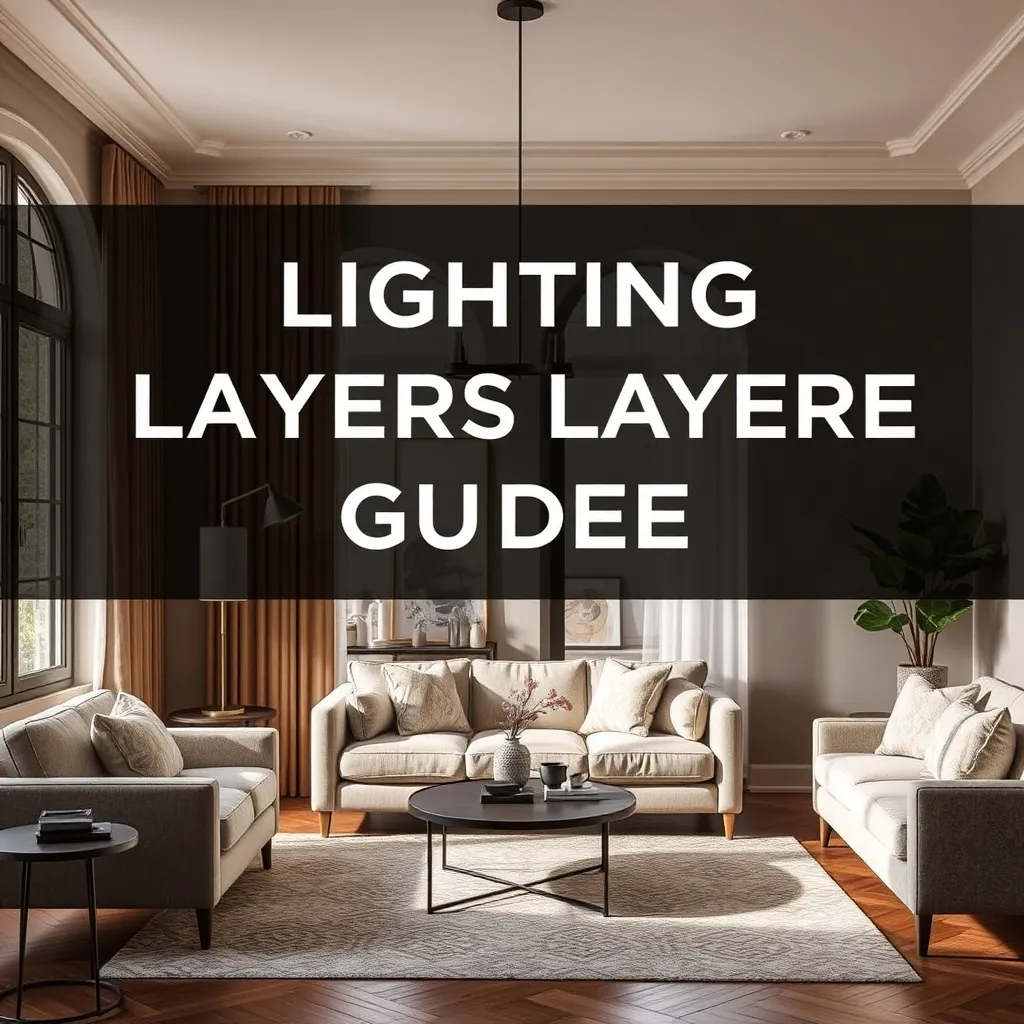
Lighting is the unsung hero of interior design—it shapes mood, defines functionality, and elevates aesthetics. Yet, many homeowners treat it as an afterthought, relying on a single overhead fixture to do it all. The secret to a well-lit room lies in layered lighting, a technique that combines three distinct types of illumination: ambient, task, and accent. Each layer serves a unique purpose, and when balanced thoughtfully, they create depth, warmth, and versatility in any space.
Ambient lighting, often called general lighting, is the foundation of your lighting scheme. It provides overall illumination and sets the tone for the room. Think of it as the baseline—think ceiling-mounted fixtures like the Philips Hue White and Color Ambient LED Smart Bulb or semi-flush mounts such as the West Elm Mid-Century Semi-Flush Mount. These fixtures distribute light evenly, ensuring no corner of the room is left in shadow. For larger spaces, consider a statement chandelier, like the Serge Mouille-inspired three-arm wall sconce, which adds both function and flair. Pro tip: Aim for 10–20 lumens per square foot to achieve a comfortable glow without overwhelming the space. For a deeper dive into how lighting interacts with design styles, explore our guide on blending Japanese and Scandinavian aesthetics.
Task Lighting: Precision for Productivity
Where ambient lighting sets the stage, task lighting takes center stage for specific activities. Whether you're reading, cooking, or working, task lighting eliminates glare and shadows, making tasks easier on the eyes. Desk lamps, under-cabinet lights, and adjustable floor lamps are all go-to options. For a sleek, modern solution, the IKEA HEKTAR LED desk lamp offers adjustable brightness and direction, while the George Kovacs Puck Light provides focused illumination for kitchen counters. In the living room, a swing-arm wall sconce like the one from Rejuvenation can pivot to highlight a reading nook or artwork. Remember, task lighting should deliver at least 30–50 lumens per square foot to ensure clarity and comfort.
For those who love to mix textures and styles, consider pairing task lighting with materials like matte brass or blackened steel for a curated look. If you're unsure where to start, our guide on Choosing the Right Lamp for Your Style offers practical tips to match lighting with your decor.
Accent Lighting: Drama and Detail
Accent lighting is where personality shines. It’s all about highlighting architectural features, artwork, or decorative elements to create visual interest. Picture lights, track lighting, and LED strips are popular choices for this layer. For instance, the Lutron Vive Lumira LED Picture Light casts a warm glow over framed prints, while the Philips Hue Play Gradient Lightstrip can be tucked behind a TV or bookshelf for a modern, cinematic effect. Even something as simple as a small brass uplight can transform a plant or sculpture into a focal point.
When layering accent lighting, aim for 5–10 lumens per square foot. This subtle illumination ensures your highlights stand out without overpowering the space. According to Architectural Digest, layered lighting isn’t just about aesthetics—it’s about crafting an environment that feels intentional and dynamic.
Mastering lighting layers isn’t just about aesthetics—it’s about creating a home that adapts to your needs. Start with ambient lighting, layer in task lighting for functionality, and finish with accent lighting to add character. The result? A space that’s as practical as it is beautiful.