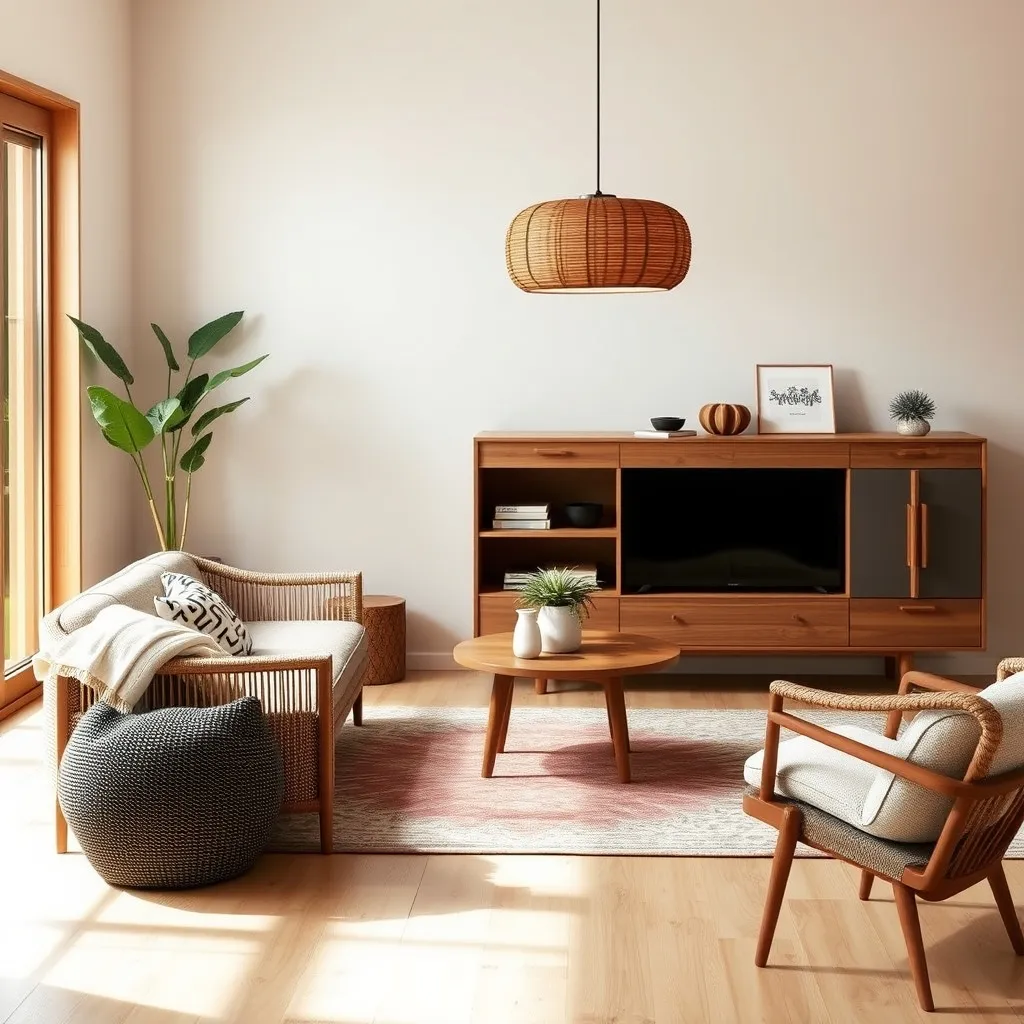
The fusion of Japanese and Scandinavian design—now widely known as Japandi—has quietly taken over modern interiors. This aesthetic marries the wabi-sabi philosophy of imperfection and natural materials with the clean lines and functionality of Nordic design. The result? A serene, uncluttered space that feels both intentional and lived-in. If you're drawn to the warmth of oak, the texture of linen, and the quiet elegance of handcrafted wood, Japandi might be your next design love affair.
But where do you start? Unlike maximalist trends that demand bold statements, Japandi thrives on restraint. It’s about selecting pieces that serve a purpose while exuding a quiet sophistication. Think of it as the antidote to the fast-furniture culture—where quality and longevity trump fleeting trends. To help you navigate this style, we’ve broken down the essentials, from furniture to decor, so you can create a home that feels both timeless and deeply personal.
Core Principles of Japandi Design
The heart of Japandi lies in its dual influences: Japanese and Scandinavian design. Japanese interiors often emphasize ma—the space between objects—and prioritize natural light, asymmetry, and organic materials like bamboo, washed oak, and linen. Scandinavian design, on the other hand, leans into hygge—comfort through simplicity—and features light woods, muted palettes, and tactile textures. When combined, these principles create a harmonious balance of warmth and order. According to Dezeen, this fusion reflects a shared global appreciation for mindful living and sustainable design.
Start with a neutral color palette dominated by whites, soft grays, and earthy tones like terracotta or sage green. These hues serve as a backdrop for natural materials such as walnut, cedar, and stone. Avoid clutter by adhering to the one-in, one-out rule—if you bring in a new piece, let go of an old one. This ensures your space remains intentional and uncluttered, a hallmark of both Japanese and Scandinavian aesthetics. For more on maintaining balance in minimalist spaces, explore our guide on how to choose the right rug size for any room.
Furniture and Decor to Achieve the Look
Furniture in a Japandi home should be both functional and beautiful, with an emphasis on craftsmanship. Look for pieces with clean lines, organic shapes, and a focus on natural finishes. A low-profile platform bed in solid oak, like those from Muji, is a perfect starting point. Pair it with a handwoven wool rug in neutral tones to add warmth and texture. For seating, consider a sleek, armless sofa with a linen or cotton slipcover—think Hay’s About A Sofa—to maintain the airy, uncluttered feel.
Lighting plays a crucial role in Japandi interiors. Opt for fixtures with warm, diffused light, such as a paper pendant lamp inspired by Isamu Noguchi’s iconic designs or a ceramic table lamp with a matte finish. These pieces not only illuminate your space but also serve as sculptural elements. When it comes to decor, less is more. A single ceramic vase with an organic glaze or a hand-thrown stoneware bowl can add a touch of artistry without overwhelming the room.
For those looking to dive deeper into minimalist decor, check out our guide on Minimalist Decor Tips for a Calm Home. And if you’re curious about the origins of this style, the ELLE Decor article on Japandi trends offers a fascinating historical perspective. Whether you’re renovating a single room or starting from scratch, Japandi design invites you to slow down and appreciate the beauty of simplicity.