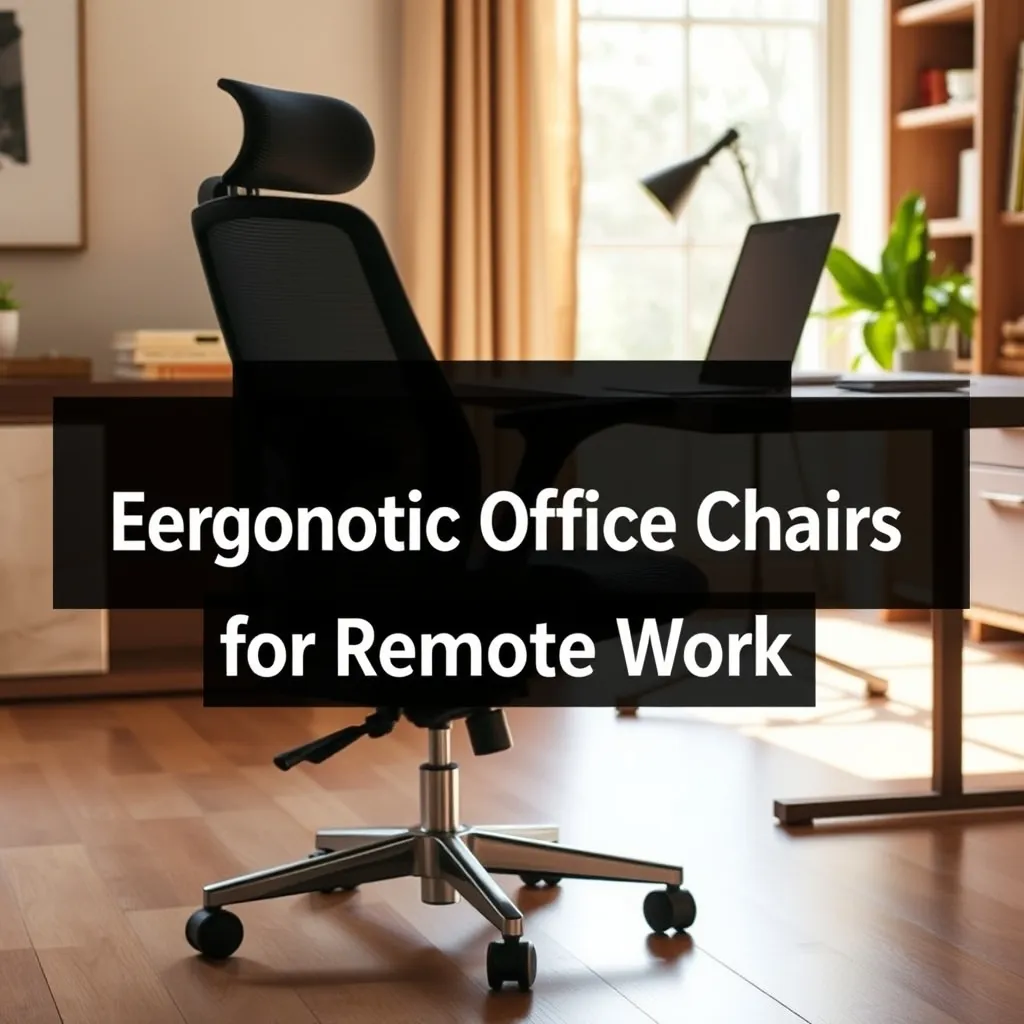
As remote work becomes the norm for millions, the importance of a well-designed ergonomic office chair can’t be overstated. Sitting for eight or more hours a day in a poorly supported chair can lead to chronic back pain, neck strain, and reduced focus. The right chair isn’t just a piece of furniture—it’s an investment in your health and productivity. But with so many options on the market, how do you choose one that truly delivers? Here’s what to look for when shopping for an ergonomic office chair in 2025.
Key Features to Prioritize in an Ergonomic Office Chair
Not all ergonomic chairs are created equal. The best models are designed to adapt to your body, not the other way around. Start by checking for adjustable lumbar support—something like the Herman Miller Aeron offers a dynamic support system that contours to your spine’s natural curve. Adjustability is crucial; look for chairs with customizable seat height, armrests, and tilt tension. The Steelcase Gesture, for example, allows for 360-degree armrest movement, mimicking natural typing and resting positions.
Material matters too. Mesh backs, like those found on the Secretlab Titan Evo, provide breathability and flexibility, reducing heat buildup during long hours. For those who prefer upholstered options, high-density foam or memory foam can offer both comfort and durability. Don’t overlook the base and casters—five-star bases with smooth-rolling casters ensure stability and easy movement across floors. If you’re working on hardwood or tile, opt for soft casters to avoid scratches. For more on balancing comfort with workspace efficiency, check out our guide on Standing Desk vs Traditional Desk: Which One Wins.
Finding the Right Fit for Your Workspace and Budget
Ergonomic chairs come in a wide range of price points, from budget-friendly options like the IKEA Markus to premium models like the Haworth Zody. While it’s tempting to splurge on the most expensive chair, the best choice depends on your specific needs. If you’re spending more than four hours a day at your desk, prioritize adjustability and lumbar support over aesthetics. For smaller spaces, consider chairs with a compact design, such as the Autonomous ErgoChair Pro, which offers a sleek profile without sacrificing comfort.
Before making a purchase, test the chair if possible—many retailers, including InteriorX, offer trial periods or showrooms where you can sit for 15-30 minutes. Pay attention to how the chair feels after extended use; your shoulders shouldn’t hunch, and your feet should rest flat on the floor. If you’re unsure where to start, our guide on how to style your home office for maximum productivity includes tips on pairing your chair with complementary furniture and decor.
For further reading on ergonomic design principles, the Human Factors and Ergonomics Society reports that proper ergonomic setup can reduce musculoskeletal disorders by up to 60%. Remember, the right ergonomic chair isn’t just about comfort—it’s about preventing long-term health issues and enhancing your daily workflow. Choose wisely, and your body (and your productivity) will thank you.